
Projects.
Rescue call-outs are the work people see. These are the longer pieces — research we want in the water, gear we are designing ourselves, and software we are building. None of it is finished, and the status on each says exactly where it is.
What we are
working on.
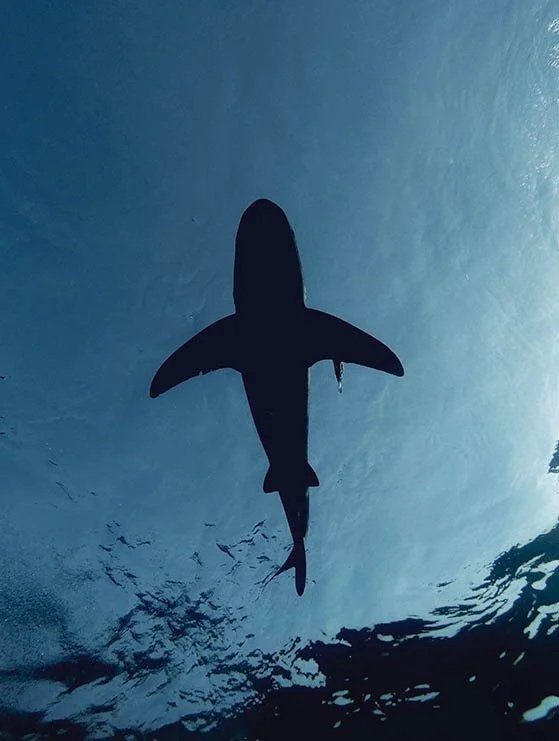
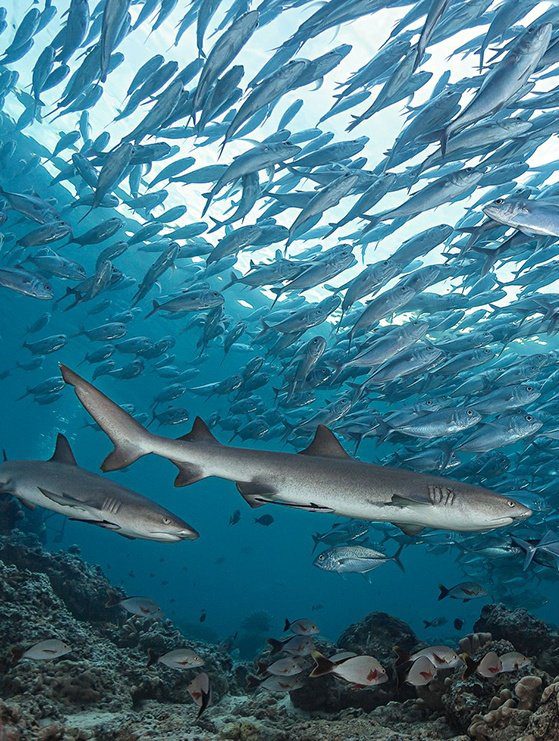
Shark tagging & monitoring
A tagging and monitoring program for Queensland waters. Planned, not yet in the water — it needs funding, permits and partners first.
Read more →Recycled plastic gear
Fishing and boating gear made from recycled plastic. First item on the bench is a rod holder bucket caddy.
Read more →WildLog QLD
Compliance record-keeping for Queensland wildlife permit holders. Log an event in the field and the deadlines and the return follow from it.
Read more →Tagging will tell
us what guessing
never could.
Every tag turns a sighting into a record. Where an animal goes, how far, how often it returns, and what it does around the coast people actually swim on — none of that is knowable from the beach.
That data would do two jobs at once. It would improve the safety advice given to the public, and protect the species itself, because policy written from real movement data beats policy written from anecdote.
None of this has started. It is the piece of our work that needs other people most, because a tagging program cannot be run out of goodwill and a ute.
Permits and partners
Research permits, and a university or agency to hold the data to a standard that makes it worth collecting. This is the first thing that has to happen.
Tags and boat hours
Tags cost money and so does time on the water. This is the part sponsorship and donations would pay for.
Get it in the water
Catch, measure, tag, release. Once it is running, tag returns build a picture of range, timing and site fidelity along the Queensland coast.
Plastic pulled
out of the waste
stream, back
onto the boat.
This one started on the beaches and river spots we fish. Ten years ago there was barely any rubbish in them. Now there is a lot, every time, and it has got worse year on year — enough that the start of a session goes on picking up before a line goes in the water. We bring bin bags fishing now.
The animals find it before we do. Line and netting wrap around flippers and wings; soft plastic looks enough like food to a turtle to be swallowed. Gear that gets lost off a boat does not stop fishing when it stops being owned.
Plastic in the water is one of the largest environmental problems there is, and every route that keeps some of it out of the system is worth taking. This is ours: a range built out of the problem itself. Fishing and boating gear, designed here, made from recycled plastic — the same material coming back as something you were going to buy anyway.
It does two things at once. It takes plastic out of the waste stream instead of adding to it, and every sale funds the same work merchandise does — fuel for call-outs, capture and care equipment, and the conservation work around them.
Rod holder bucket caddy — in design
A collar that turns a standard bucket into a rod station: holders for rods, somewhere for tools and tackle, and the bucket still does its own job. Being designed and prototyped now.
Made from what washes up
Recycled plastic, moulded into gear that has to survive salt, sun and being dropped on a boat ramp. If it cannot do that it is not worth making.
What comes after it
The next items depend on what the first one teaches us about the material. If you fish or boat and know exactly what you keep breaking, tell us.
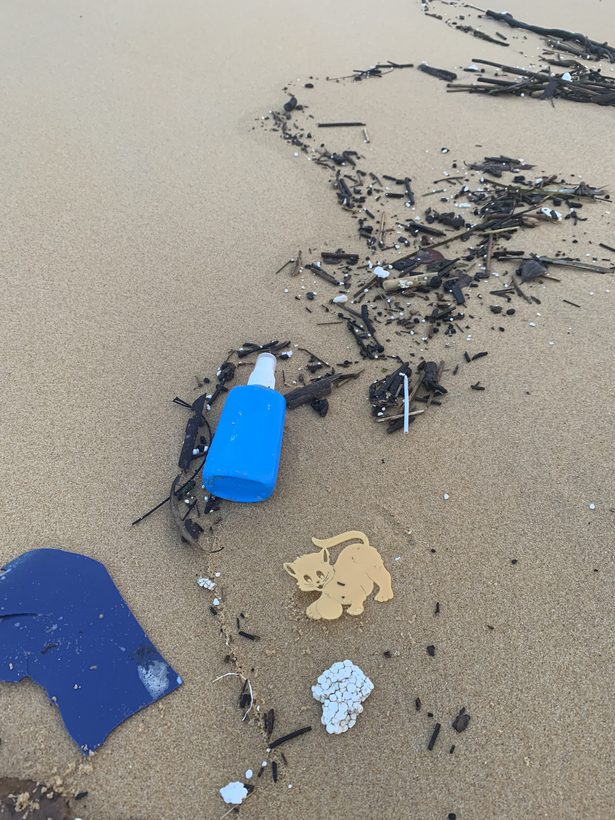
Photo: David Abrahams · CC BY-SA 4.0 · Wikimedia Commons

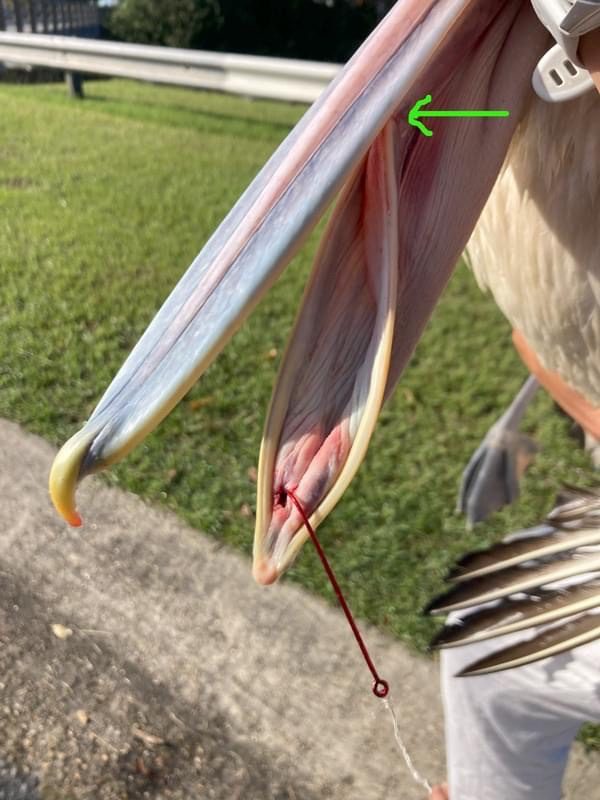
Photo: James H · CC BY 4.0 · iNaturalist
Remaining photographs to come. Borrowed photos carry their photographer and licence, the same as the species guide.
The return is due
whether or not
you kept
the notes.
Every Queensland wildlife permit carries a record-keeping obligation. The work that creates those records happens at night, in someone’s roof cavity, one-handed — and the detail a return needs is the detail that fades first.
WildLog is built for that gap. Pick the permit and the event type, and the form asks for the fields the department actually requires, ticking them off as you fill them. Saving an event raises the obligations it just created.
It covers four permit classes — damage mitigation, rehabilitation, native animal keeping and exhibition — with an animal register, husbandry logs, take and release locations on a map, and photos kept against the record rather than lost in a camera roll.
Rescue groups get a shared register that syncs across members, so the animal a volunteer took into care last night is on the coordinator’s screen this morning, and the organisation files one combined return instead of collating spreadsheets.
Free for individual permit holders. Not released yet.
Log the event
Permit first, then event type, then only the fields that permit needs — species with scientific-name autocomplete, location, GPS, photos, fate. Built for one hand and poor signal.
Deadlines raise themselves
A 72-hour notification, a record-book entry, a quarterly return — each permit runs to its own clock. Saving an event generates what it triggers and groups them soonest first.
Export the return
A department-format CSV for the return and a full CSV for your own file. Incomplete records are flagged before you export, not after.
Screenshots to come.
This list
will grow.
New projects get added here as they start. If you want to fund one, supply materials, or work on one with us, we would rather hear from you early than late.
Call or text — a licensed handler will talk you through it. If someone has been bitten, call 000 first.