
SEQ
WILDLIFE
RESCUE
We protect people and wildlife across Queensland — through rapid rescue response and education that helps communities live alongside the animals already here, with marine research we are working to get in the water.
Call or text any hour. Urgent encounters are answered first.
Rescues and relocations across South East Queensland, suburbs to coast.
Species profiles for the snakes we are called out to most.
Not-for-profit — nobody draws a wage, so support goes back into the work.
One organisation,
from the backyard
to the bluewater.
Rescue, research and education are the same job done at different scales. What we learn on a call-out shapes what we teach — and the research we are working to start would do the same thing for the coast.
Rapid rescue response
Snake relocation and wildlife rescue across SEQ, carried out by licensed, insured handlers using humane capture and release.
Call-outs · relocation · adviceScientific research & tagging
A shark tagging and monitoring program in planning, to build real data on movement, population health and behaviour in Queensland waters.
Planned →Safeguarding people & wildlife
Both sides of every encounter matter. Safe outcomes for the community and for the animal are the same outcome.
Safety · welfare · coexistenceEducation & community awareness
Talks, identification resources and practical guidance so people know what they are looking at and what to do next.
Schools · groups · workplacesFour steps,
in order.
Almost every serious snake bite in Australia happens while someone is trying to catch or kill the animal. Doing nothing is genuinely the safest first move.
Keep your distance
Move people and pets back and give the animal room. Most snakes move on by themselves once they are left alone. Never try to catch, trap or kill it — that is when almost every bite happens.
Photograph it from a safe distance
A photo lets us identify the species before we arrive and decide what gear we need. Zoom in rather than stepping in.
Keep it in sight if you can
Watching from a doorway or window makes relocation far quicker. If it moves into a wall cavity or roof, note where it went.
Call or text us
A licensed handler will talk you through it and attend if relocation is needed. If someone has been bitten, call 000 first, then us.
Do not wash the bite, do not apply a tourniquet and do not try to catch the snake. Keep the person still, apply a pressure immobilisation bandage if you have one, and get emergency help immediately.
Native reptiles are protected wildlife. Taking, handling, moving or harming one without the appropriate permit is an offence under Queensland's Nature Conservation Act 1992 and carries significant penalties — as well as being the fastest way to get hurt.
Know what you
are looking at.
38 of the species we are called out to most, with identification features, habitat, diet, behaviour and venom status for each.
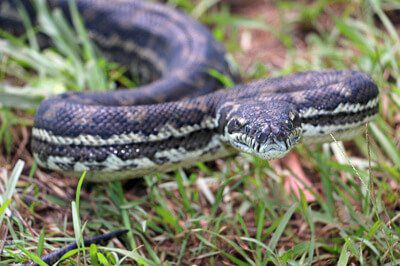
Coastal Carpet Python
Morelia spilota mcdowelli
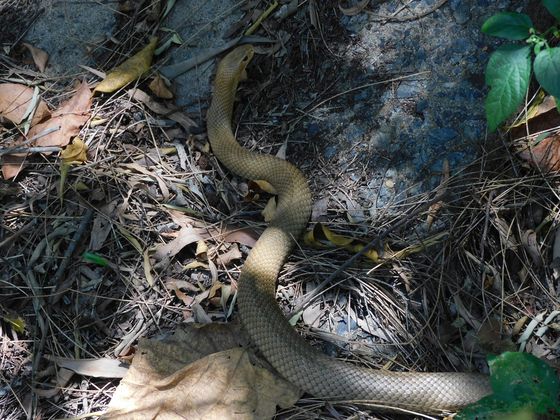
Eastern Brown Snake
Pseudonaja textilis
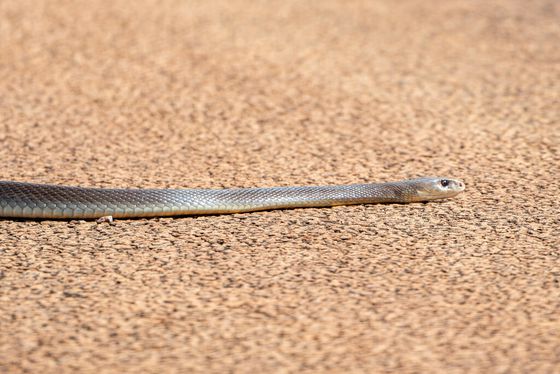
Coastal Taipan
Oxyuranus scutellatus
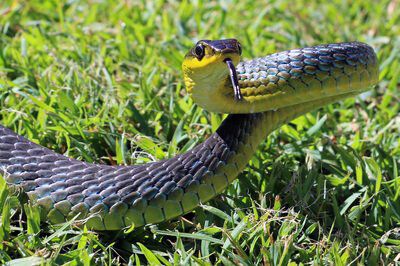
Green Tree Snake
Dendrelaphis punctulatus
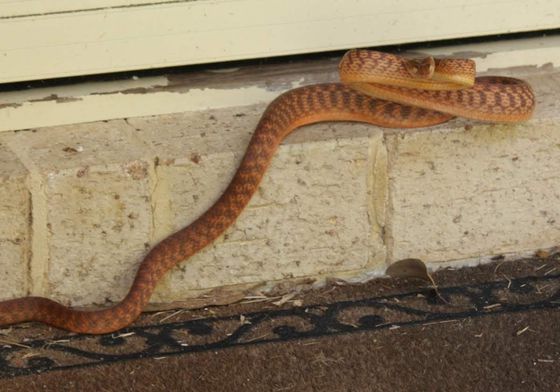
Brown Tree Snake
Boiga irregularis
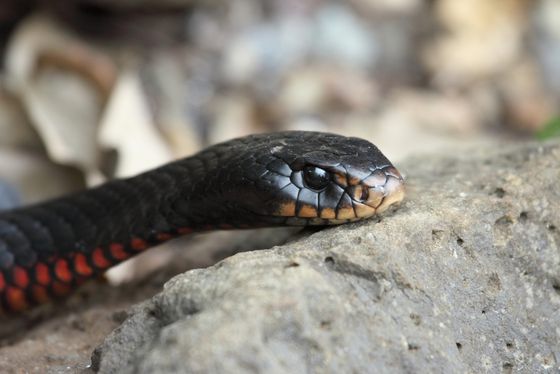
Red-bellied Black Snake
Pseudechis porphyriacus
Tagging will tell
us what guessing
never could.
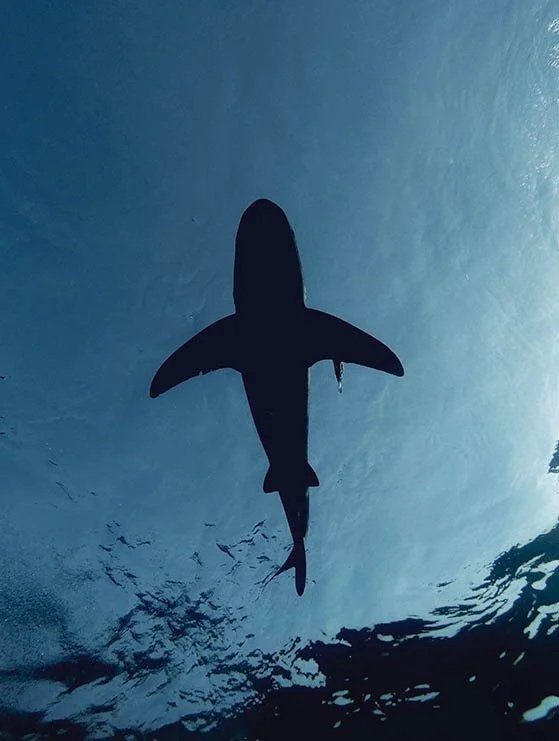
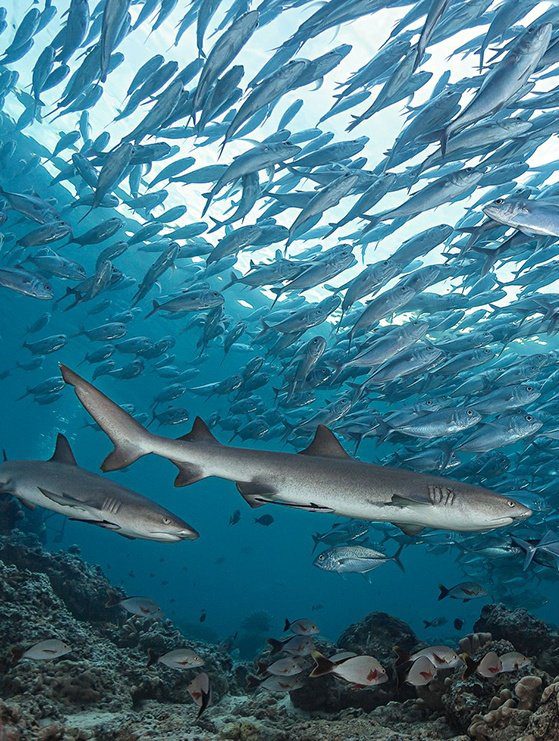
Shark tagging produces hard data on movement, population health and behaviour. That data improves public safety advice, protects the species itself, and gives conservation policy something better than anecdote to work from.
It is the same principle as a backyard call-out, scaled up: understand the animal, and the risk to people drops. We have not started — it needs permits, partners and funding before a single tag goes in the water.
The work that
runs longer than
a call-out.
Research we want in the water, gear we are designing ourselves, and software we are building. None of it is finished — that is the point of listing it.
Shark tagging & monitoring
A tagging and monitoring program for Queensland waters. Planned, not yet in the water — it needs funding, permits and partners first.
Read more →Recycled plastic gear
Fishing and boating gear made from recycled plastic. First item on the bench is a rod holder bucket caddy.
Read more →WildLog QLD
Compliance record-keeping for Queensland wildlife permit holders. Log an event in the field and the deadlines and the return follow from it.
Read more →The work runs
on other people.
We run on a not-for-profit basis — nobody draws a wage from this. Donations, volunteers and partnerships are what keep the rescue line answered and the conservation work going, and what would get the research started.
Donate
Fuel, capture equipment and veterinary costs. Every contribution goes back into rescue and conservation work.
Give →Volunteer
Rescue support and community outreach. Training and safety procedures are provided.
Apply →Partner
Corporate sponsorship and research partnerships with measurable conservation outcomes — from getting the tagging program started to sponsoring education.
Talk to us →Call or text — a licensed handler will talk you through it. If someone has been bitten, call 000 first.